Football, often dubbed the world's game, unites billions of fans across continents, and the FIFA World Cup stands as its ultimate celebration. For non-native speakers and global enthusiasts, accessing detailed and engaging coverage of this grand event in English is crucial. This article dives into the significance of English World Cup reporting, exploring how it bridges cultural gaps, amplifies fan experiences, and delivers the thrill of global football to diverse audiences.
Why English Coverage of the World Cup Matters
In an era of globalization, English serves as a universal language, connecting people from different linguistic backgrounds. The FIFA World Cup, held every four years, draws attention from every corner of the planet. Whether it’s a nail-biting match between Brazil and Germany or an underdog story like Iceland’s remarkable 2018 run, English football news ensures that fans who don’t speak local languages can still follow every goal, controversy, and celebration. Major broadcasters like BBC and ESPN, along with online platforms such as Goal.com, provide real-time updates, match analyses, and player interviews in English, making the tournament accessible to millions.
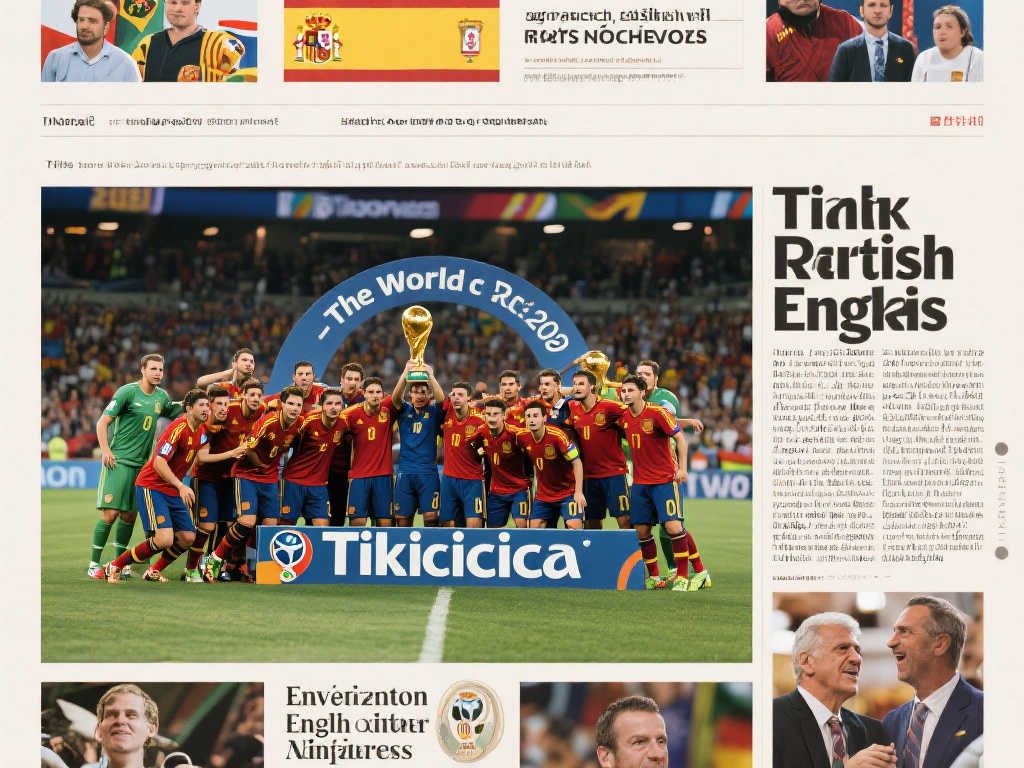
Beyond accessibility, English reporting often sets the tone for international narratives. Think pieces on tactical innovations—such as Spain’s tiki-taka style during their 2010 triumph—or emotional stories about players overcoming adversity are often first published in English. These stories shape how the world perceives iconic moments, proving that World Cup English content is more than just translation; it’s a lens through which global audiences interpret the sport.
The Role of Digital Platforms in English Football Reporting
The rise of digital media has transformed how fans consume English World Cup updates. Social media platforms like Twitter and Instagram offer instant highlights, memes, and reactions in English, creating a shared space for fans worldwide. Websites and apps dedicated to football provide live scores, in-depth statistics, and post-match breakdowns, catering to both casual viewers and hardcore analysts. For instance, during the 2022 Qatar World Cup, platforms like The Athletic gained massive traction by offering exclusive behind-the-scenes content in English, from locker room insights to cultural anecdotes about host nations.
This digital shift also empowers smaller creators. Independent bloggers and YouTubers deliver unique perspectives through global football English commentary, often focusing on niche topics like referee decisions or fan culture. Their work complements mainstream media, ensuring that every aspect of the tournament—from stadium vibes to grassroots support—is covered comprehensively.
Challenges and Opportunities in English Reporting
Despite its reach, crafting impactful English football event coverage isn’t without challenges. One key issue is maintaining authenticity while avoiding over-simplification for international audiences. Translating local slang or capturing the raw emotion of a commentator’s shout during a last-minute goal can be tricky. Yet, outlets that strike this balance—like Sky Sports with their passionate yet articulate pundits—often build loyal followings.
On the flip side, there’s immense opportunity to innovate. Virtual reality streams, interactive match trackers, and AI-generated summaries are redefining English sports journalism. These tools not only enhance user engagement but also cater to younger demographics who crave immersive experiences. Imagine reliving Lionel Messi’s magical dribble in the 2022 final through a VR headset, narrated in crisp English—that’s the future we’re heading toward.
A Case Study: England’s 2018 Semi-Final Run
To illustrate the power of English World Cup storytelling, let’s revisit England’s journey to the semi-finals in 2018. Media outlets worldwide, publishing in English, captured the nation’s renewed hope after decades of disappointment. Headlines screamed “It’s Coming Home,” referencing the iconic song, while articles dissected Gareth Southgate’s leadership and Harry Kane’s Golden Boot-winning form. This coverage didn’t just inform; it created a collective euphoria among global fans rooting for an underdog narrative. Such moments highlight how English football reporting can transcend borders, turning regional pride into a shared human experience.
Looking Ahead: Bridging More Gaps
As the FIFA World Cup continues to grow—with expansions like the 48-team format planned for 2026—the demand for high-quality English global soccer news will only increase. Journalists, broadcasters, and creators must adapt by embracing inclusivity, ensuring voices from underrepresented regions are heard alongside traditional powerhouses. Whether it’s amplifying stories from African qualifiers or Asian fanbases, the future of English coverage lies in diversity and depth.

关于Kaiyun
相关新闻

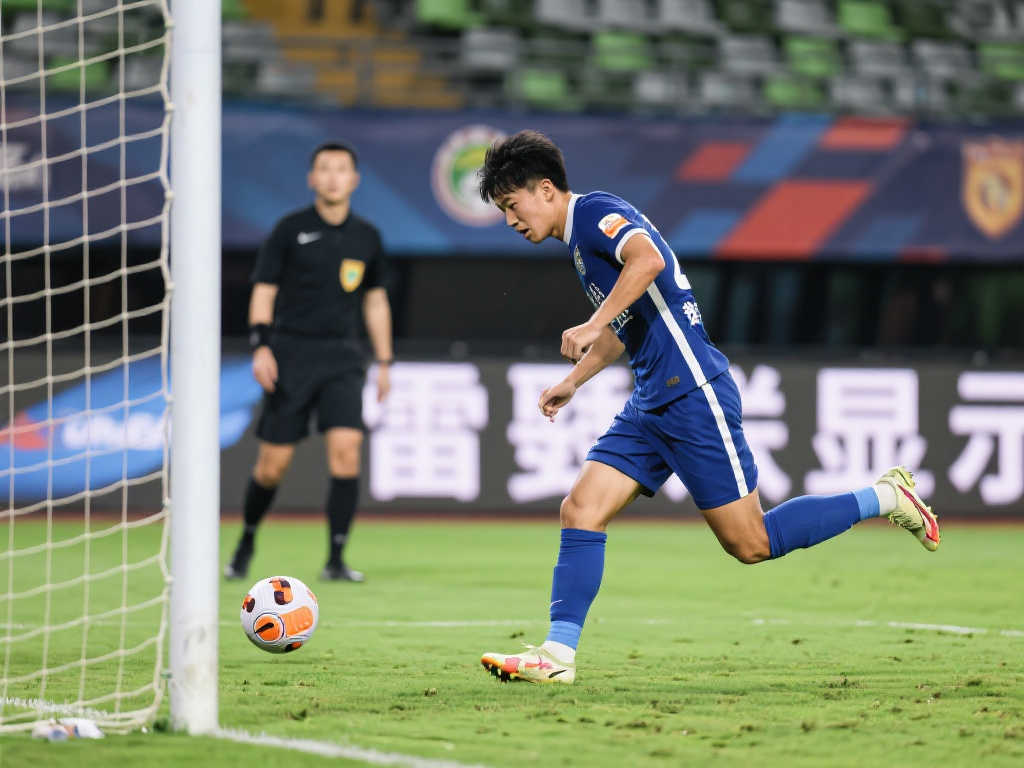
一场令人扼腕的失利:国少U17亚洲杯再负乌兹别克斯坦

引言:迈出健康第一步 体彩与你同行

在足球世界中,每一场比赛都可能成为教练生涯的转折点,而巴黎圣日耳曼主帅恩里克最近的一番言论却让人眼前一亮。他直言,在与阿森纳的欧冠比赛中,阿尔特塔的战术布置几乎让他“命悬一线”,同时抛出了一个令人深思的观点:没有顶级门将,欧冠冠军只是空想。这不仅是对比赛的复盘,更是对现代足球战术体系的深刻洞察。今天,我们就围绕这一主题,探讨顶级门将在欧冠赛场上的关键作用,以及阿尔特塔如何让恩里克感受到前所未有的压力。
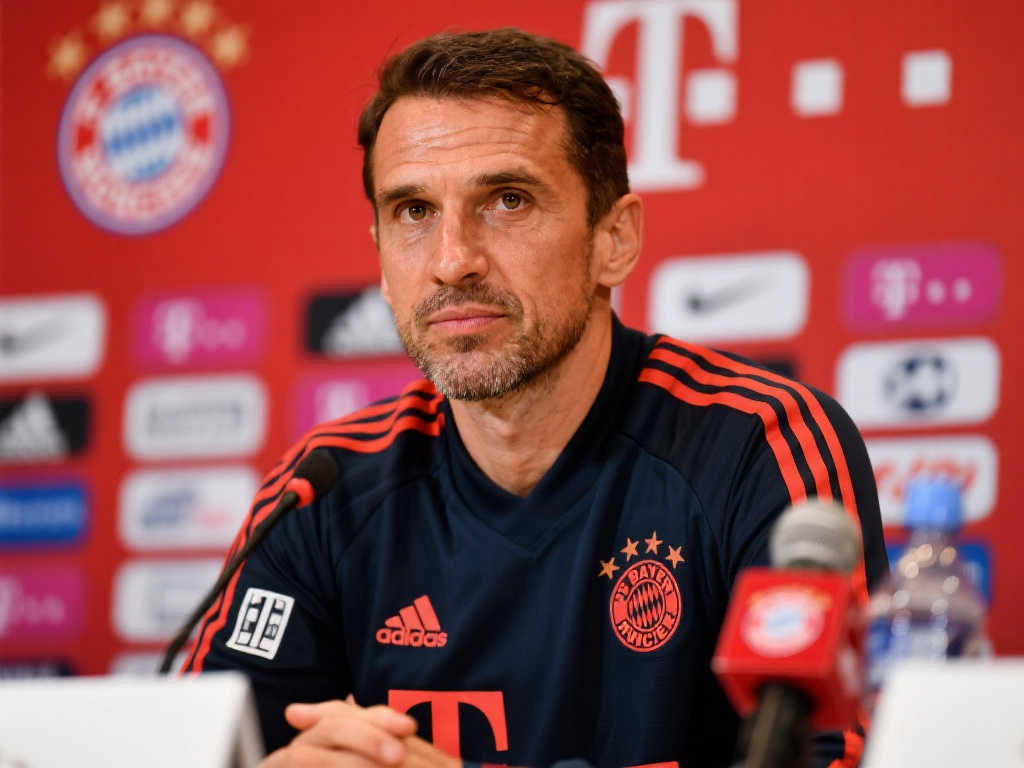
引言:拜仁教练科瓦奇的最新动态引发热议